When participating in number-based games, many individuals assume their choices are completely random or driven by pure chance. However, behavioral psychology reveals that human decision-making is heavily influenced by personal cognitive biases, emotional connections, and subtle mental shortcuts. Understanding the psychological factors behind digit selection offers fascinating insights into how the human mind attempts to find order in purely unpredictable systems.
The Influence of Personal Milestones and Dates
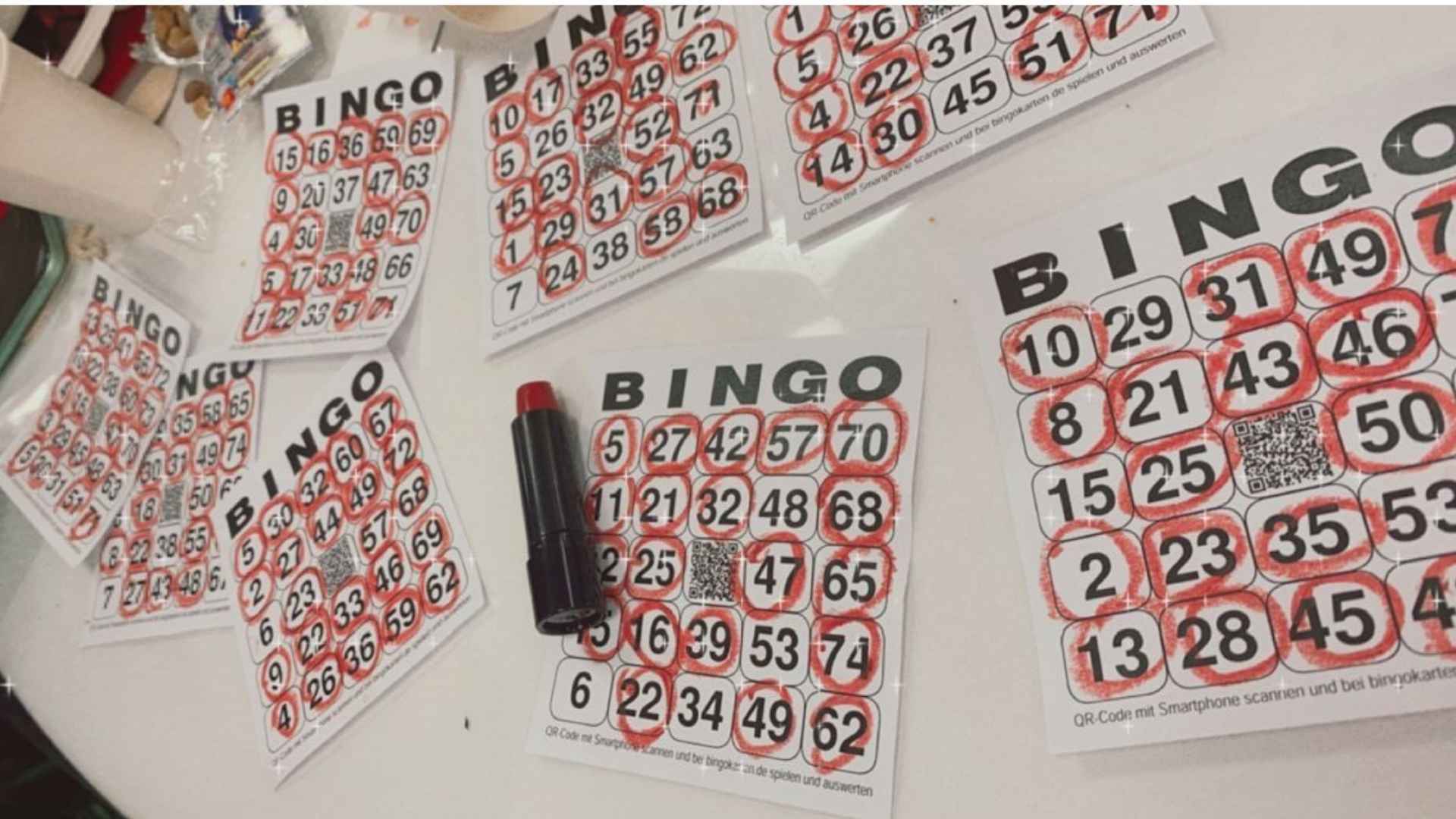
One of the most common habits among players is selecting numbers based on significant personal life events. Birthdays, anniversaries, and family milestones naturally carry emotional weight, making them attractive picks during digit selection. Because these dates usually fall between 1 and 31, choices tend to cluster within a specific numeric range.
This emotional attachment creates a feeling of familiarity and personal ownership over the chosen sequence. While this strategy provides comfort, it inherently restricts the variety of numbers chosen across broader ranges. As a result, many participants end up selecting identical combinations inspired by shared calendar structures.
Perceived Patterns and the Illusion of Control
The human brain is naturally hardwired to recognize patterns even where none exist in reality. Many players favor visually appealing arrangements on selection grids, such as diagonal lines, geometric shapes, or repeating digits. These visual symmetries foster an illusion of control, making random selections feel purposeful and structured.
Additionally, psychological concepts like the gambler's fallacy cause individuals to track past outcomes for non-existent trends. Players often believe a number is "due" to appear simply because it has not been drawn recently. In reality, each draw remains entirely independent, unaffected by historical frequency or visual patterns.
Cultural Beliefs and Lucky Numbers
Cultural traditions and local superstitions play a substantial role in shaping how individuals view specific numerical values. Certain numbers are widely celebrated as lucky, while others are avoided due to historical or linguistic associations. These cultural narratives deeply embed themselves in human subconsciousness, influencing choices effortlessly.
For instance, single digits like seven are globally favored due to positive cultural and religious connotations. Conversely, numbers associated with bad luck are routinely avoided on selection sheets. These shared cultural perceptions explain why certain numbers consistently experience higher popularity rates across diverse player groups.
Randomness and Cognitive Bias in Decision Making
Truly random selection is surprisingly difficult for the human mind to execute without technological assistance. When asked to choose numbers randomly, people tend to avoid consecutive digits or uniform sequences because they do not "look" random. This bias leads to over-engineering choices in an effort to mimic true randomness manually.
Recognizing these psychological tendencies allows participants to approach interactive formats with greater self-awareness. Relying on automated selections or understanding basic probability helps mitigate cognitive biases during decision-making processes. Ultimately, appreciating the psychology behind choices enhances the overall clarity and enjoyment of modern digital entertainment.