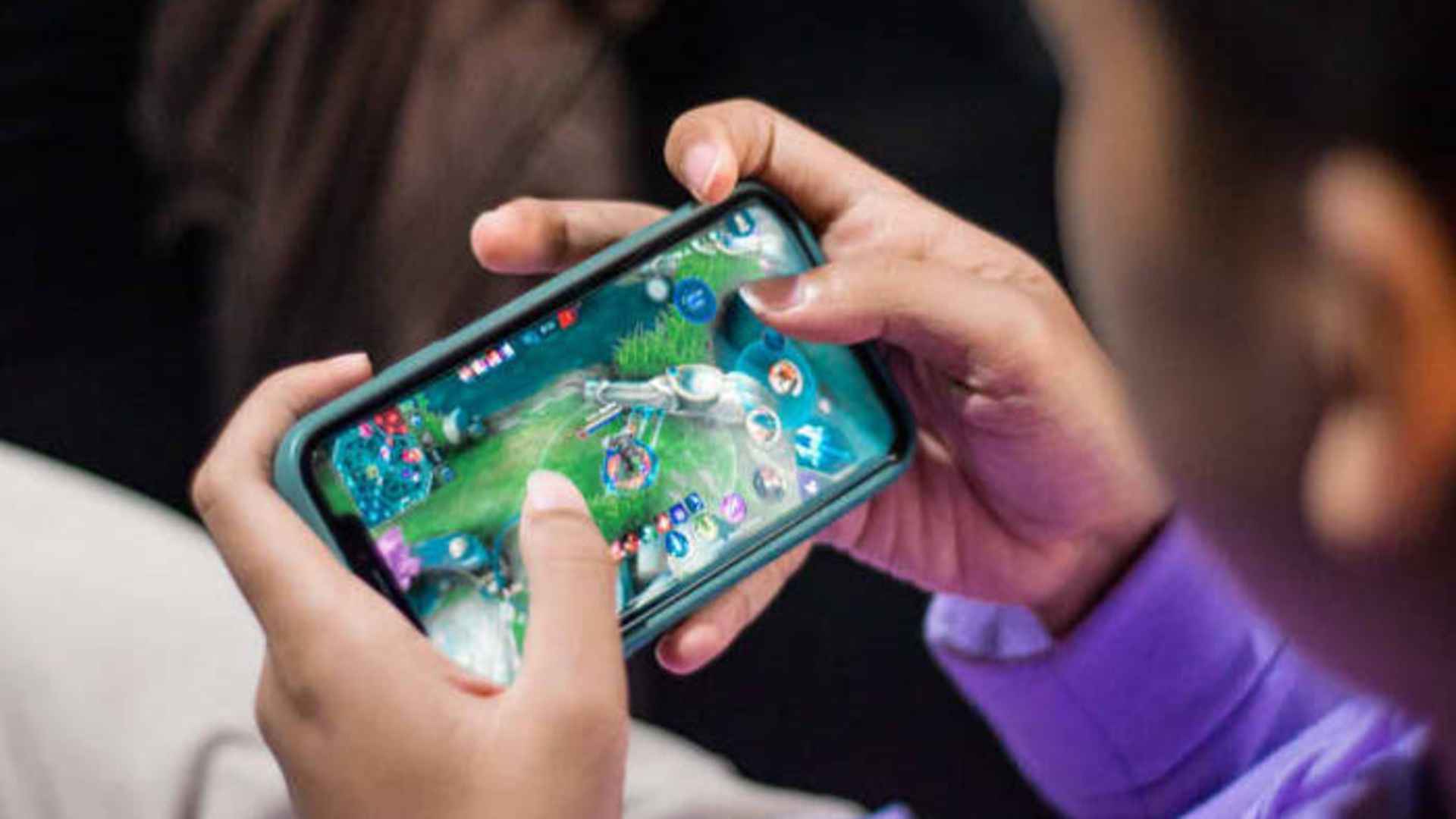
The modern digital landscape has seen a significant shift toward shared experiences where victory depends entirely on collective triumph. Multiplayer games with exciting cooperative objectives are capturing the attention of millions by replacing intense player-versus-player conflict with structured team challenges. These interactive frameworks encourage friends to pool their unique skills to overcome complex obstacles together.
The Evolution of Shared Virtual Missions
Early online experiences often relied on simple survival mechanics or direct competition to engage participants. Modern game design has evolved to deliver sophisticated campaigns that require high levels of mutual trust and communication. Today's developers build living worlds where group choices directly impact how the narrative unfolds over time.
These complex systems ensure that every session feels distinct, offering rich replayability for diverse gaming circles. By emphasizing shared milestones rather than individual accolades, these titles foster a deep sense of camaraderie. Participants are encouraged to celebrate combined victories, making the entertainment value highly sustainable.
Designing Intricate Team Challenges
Creating compelling cooperative objectives involves balancing dynamic puzzles with engaging real-time action. Teams must distribute specific roles among members, ensuring that everyone contributes meaningfully to the overarching mission. This intricate design pushes players to sharpen their cognitive flexibility and critical thinking skills.
To follow competitive trends or discover platforms that highlight diverse online activities, enthusiasts can check M88 esports for recent updates. Engaging with dedicated digital hubs allows communities to explore evolving competitive models across various gaming ecosystems. Understanding these tactical nuances ultimately prepares groups for highly demanding virtual environments.
The Cognitive Benefits of Teamwork
Navigating complex cooperative setups provides substantial benefits that extend far beyond simple digital entertainment. Regular participation helps individuals develop essential interpersonal soft skills, such as predicting peer behaviors and offering rapid mutual support. These collaborative habits regularly translate into improved real-world problem-solving capabilities.
Furthermore, the physical synchronization required during high-stakes encounters helps boost motor proficiency and reflex coordination. Shared digital spaces become practical training grounds where communication transforms into exceptional team synergy. This makes cooperative entertainment an excellent choice for building lasting social bonds.
Looking Ahead at Live Service Innovations
As global network infrastructure continues to advance, developers are introducing massive events that adapt to user choices in real time. Future cooperative titles will likely feature seamless cross-platform functionality, allowing massive communities to connect without device limitations. This continuous innovation ensures that the landscape of cooperative gaming will remain vibrant and deeply engaging for years to come.