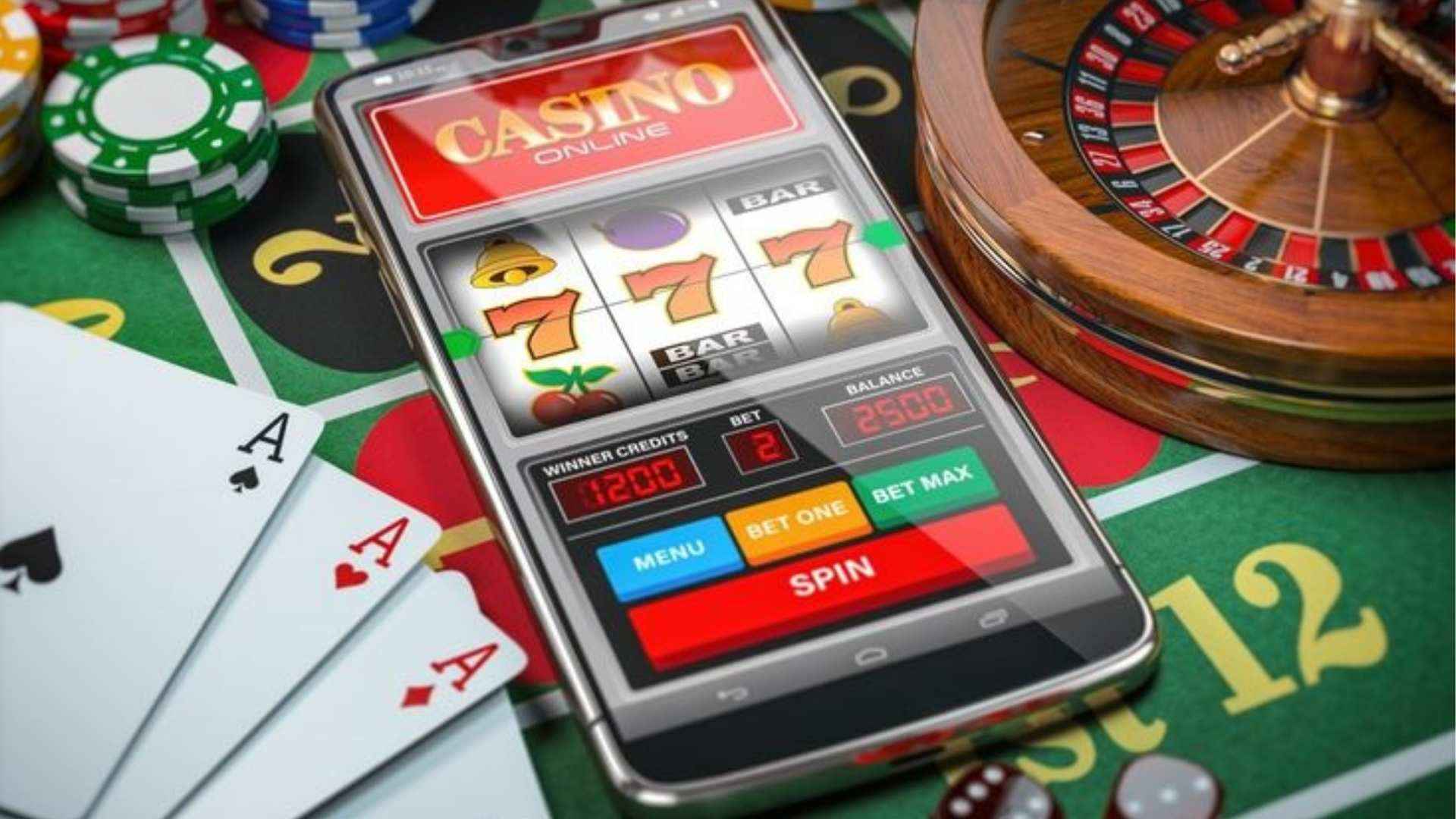
The landscape of casual gaming has transformed dramatically as traditional lottery-style entertainment migrates to smartphones and tablets. Modern players increasingly demand seamless experiences that fit into their busy schedules without sacrificing the classic thrill of random drawings. Adapting these traditional systems requires a complete shift in interface design and technical implementation.
The Evolution of Mobile-First Interfaces
Early iterations of digital keno often tried to replicate large casino lounge screens on small display surfaces. This approach usually resulted in cluttered grids and frustrating layout issues for the end user. Contemporary developers now prioritize mobile-first designs that feature large, touch-friendly buttons and dynamic grids.
These optimized layouts ensure that selecting your favorite spots is smooth and intuitive even on compact smartphone screens. Visual elements automatically scale to fit different aspect ratios while maintaining sharp legibility. Such focus on convenience has made portable layouts the preferred choice for enthusiasts worldwide.
Streamlined Mechanics and Instant Action
Traditional drawings often require extended waiting periods between rounds to accommodate physical ticket collection. Mobile adaptations eliminate these delays completely by utilizing rapid random number generation software. This setup allows participants to control the pace of their session and receive instantaneous feedback.
Features like automated quick-picking systems enable players to participate in consecutive rounds with a single tap. Many competitive platforms, including the M88 esports network, integrate these high-speed systems to appeal to modern audiences who value immediate results. The reduced downtime keeps sessions engaging while providing the flexibility to play anytime.
Wager customization has also been simplified to allow immediate adjustments between rapid rounds. Users can easily toggle their stake amounts or clear their grid selections using highly responsive gesture controls. These smart mechanics accommodate both short recreational breaks and longer, more relaxed gaming sessions.
Battery Efficiency and Performance Stability
Creating an outstanding gaming experience on portable hardware involves optimizing back-end code to preserve device longevity. Heavy animations and unoptimized scripts can quickly drain battery life and cause smartphones to overheat. Modern gaming developers use lightweight frame engines to ensure fluid performance across various hardware specifications.
Data conservation is another critical area where mobile keno systems have made substantial technical progress. Optimized network protocols ensure that the game runs smoothly even on unstable wireless connections. This level of technical stability guarantees that your active round will not be lost due to sudden network interruptions.
Safe Practices for Portable Gaming
As accessibility increases, maintaining responsible habits becomes more vital for players engaging with mobile platforms. Setting strict time limits before starting a session helps maintain a healthy balance between leisure and daily responsibilities. Most contemporary mobile interfaces now include built-in tracking tools to monitor your active playtime easily.
It is equally important to stick to a predefined budget and treat the experience purely as a form of casual entertainment. Because portable gaming fits neatly into short breaks, practicing self-discipline ensures your sessions remain fun and secure. Understanding these behavioral boundaries allows modern enthusiasts to enjoy the game responsibly over the long term.