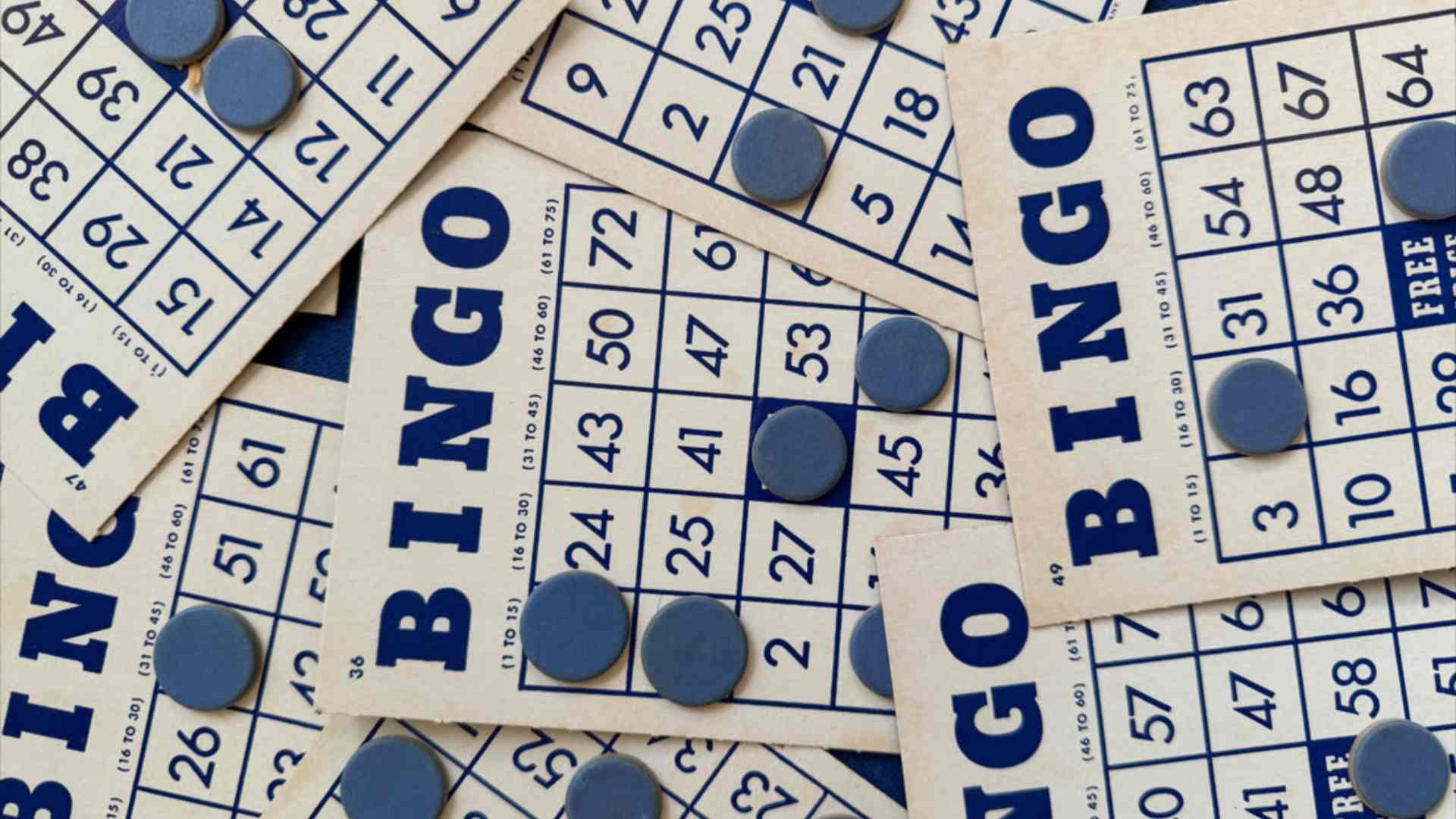
The landscape of traditional tabletop gaming is undergoing a massive transformation as players seek deeper engagement and more complex scenarios. While classic games will always hold a special place on our shelves, a new wave of innovative designs is pushing boundaries and redefining what a board game can be. Modern enthusiasts are no longer satisfied with simple roll-and-move mechanics, driving developers to create intellectual and strategic puzzles that test every facet of decision-making.
The Rise of Complex Cooperative Scenarios
Cooperative tabletop gaming has evolved from simple team-based challenges into highly complex, narrative-driven experiences. Players must now coordinate their actions across layered systems where a single misstep can trigger a cascade of difficult consequences. These intricate puzzles force groups to communicate at a much higher level, turning every game night into a collaborative exercise in high-stakes problem-solving.
Furthermore, many of these modern cooperative titles feature evolving legacy mechanics that permanently alter the game components based on your decisions. This means that your group's choices in one session will directly shape the physical and strategic environment of the next, keeping the experience incredibly fresh and intense. Adapting to these permanent changes requires a long-term strategic vision that traditional games rarely demanded.
Innovative Mechanics and Asymmetric Gameplay
Another major shift in modern game design is the implementation of highly asymmetric player roles, where every individual at the table operates under completely different rules and objectives. This setup means that mastering a single game now requires you to understand multiple completely unique playstyles and mechanics. The strategic depth increases exponentially as you must simultaneously execute your own complex plans while anticipating entirely different systems from your opponents.
These dynamic systems are attracting players who enjoy high-level analytical thinking and deep tactical execution. For those who thrive on analyzing complex, fast-paced competitive fields, exploring platforms like M88 esports can offer a fascinating parallel in modern strategic decision-making. Testing your mind against these multi-layered systems, whether analog or digital, is one of the most satisfying ways to sharpen your cognitive skills.
Solo Gaming and Automa Challenges
The dramatic rise of solo tabletop gaming has introduced players to incredibly sophisticated artificial opponents, commonly referred to as Automas. These card-driven systems emulate human decision-making with surprising accuracy, creating intense tactical puzzles that you can tackle entirely on your own. Designing a system that remains challenging without requiring a second player has forced developers to think outside the box.
Playing against these automated decks requires you to closely analyze probability and adapt your strategies on the fly. It offers a focused, meditative challenge that allows you to fully immerse yourself in the mechanics without any social distractions. As these solo systems continue to improve, they provide a reliable way for players to discover new cognitive obstacles whenever they choose.